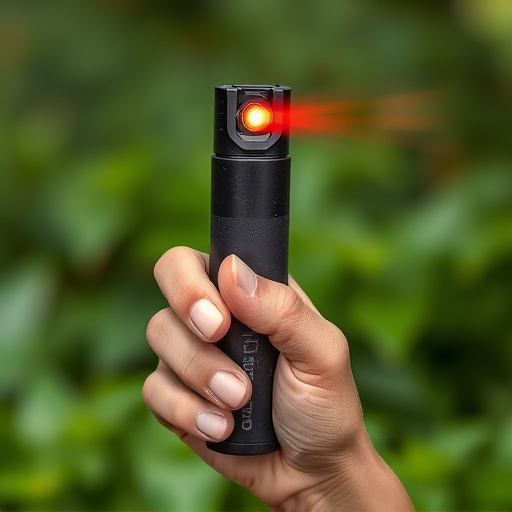
In low light riot control scenarios, "Low Light Pepper Spray Tactics" are a vital tool for police and security forces. These advanced formulations allow for effective crowd management and de-escalation during night protests or indoor disturbances where traditional methods fail. By enhancing visibility and causing respiratory distress, officers can swiftly disrupt violent gatherings, ensuring public safety without escalating harm. Effective low light pepper spray dispensers require precise design, user safety considerations, and specialized training for optimal deployment in challenging conditions.
In the realm of law enforcement and security, effective riot control is paramount, especially in low light conditions. This article explores the pivotal role of low light pepper spray tactics, delving into understanding these unique scenarios and the specific challenges they pose. We’ll discuss the design and implementation of advanced inflammatory riot control spray dispensers, ensuring optimal performance. Additionally, we’ll highlight training and safety measures crucial for law enforcement and security personnel to deploy these tools efficiently while prioritizing public safety.
- Understanding Low Light Conditions and Riot Control
- The Role of Pepper Spray in Riot Control Tactics
- Designing and Implementing a Effective Dispenser for Optimal Performance
- Training and Safety Measures for Law Enforcement and Security Personnel
Understanding Low Light Conditions and Riot Control
In low light conditions, riot control strategies become even more critical and nuanced. Police and security forces often encounter challenging situations where visibility is limited, making it essential to employ specialized tactics. Low light pepper spray, a key tool in such scenarios, offers an effective means of de-escalating and controlling rioting crowds. By utilizing advanced formulations designed for reduced visibility, officers can ensure the safety of both citizens and themselves while maintaining control over chaotic environments.
Understanding how low light conditions impact riot dynamics is crucial. During night-time protests or indoor disturbances, traditional pepper spray may not be as potent or precise. This is where specialized low light pepper spray tactics come into play. These include targeted applications using handheld dispensers designed for optimal range and accuracy in dimly lit areas. Such tactics enable law enforcement to quickly disrupt violent gatherings, allowing for a swift resolution and minimizing potential harm.
The Role of Pepper Spray in Riot Control Tactics
In riot control scenarios, particularly those occurring in low light conditions, law enforcement agencies often rely on specialized equipment like low light pepper spray tactics. This non-lethal agent plays a pivotal role in managing and dispersing crowds effectively while minimizing injuries to both civilians and officers. The strategic use of pepper spray can quickly disrupt and control volatile situations, allowing for a more controlled environment.
Low light pepper spray tactics offer an efficient solution during night protests, demonstrations, or when dealing with rioters wearing protective gear that limits the effectiveness of traditional crowd control methods. Its immediate impact on visibility and respiratory distress provides a critical window for law enforcement to gain control, enabling them to facilitate safe evacuation or make necessary arrests without escalating violence.
Designing and Implementing a Effective Dispenser for Optimal Performance
When designing an inflammatory riot control spray dispenser, optimal performance hinges on several key factors. First, consider the environment where it will be deployed—low light pepper spray tactics require specialized features like infrared technology to ensure visibility and accuracy in dimly lit scenarios. The dispenser’s range and spread of the spray must also be carefully engineered to maximize impact while minimizing off-target effects, crucial for effective crowd control without causing unnecessary harm.
Implementing advanced mechanisms for user safety is equally vital. This includes robust construction to withstand harsh conditions and ergonomic designs that simplify handling, even in high-stress situations. Additionally, integrating smart features like automatic activation sensors and adjustable spray volumes can enhance responder efficiency and the overall effectiveness of low light pepper spray tactics.
Training and Safety Measures for Law Enforcement and Security Personnel
Training and safety measures are paramount when equipping law enforcement and security personnel with inflammatory riot control spray dispensers. Beyond familiarization with the device’s functionality, officers must be schooled in low light pepper spray tactics, ensuring they can deploy the spray accurately and effectively during night-time operations or in areas with limited visibility. This specialized training includes practice scenarios that mimic real-world situations, allowing personnel to develop proficiency under controlled conditions.
Safety protocols are equally crucial. Law enforcement agencies must establish clear guidelines for storage, handling, and disposal of the pepper spray. Personnel should be educated on the potential risks and side effects of exposure, including eye irritation, respiratory distress, and other health complications. Regular maintenance checks on the equipment and proper waste management practices help ensure the safety of both officers and civilians during riot control operations.
In conclusion, low light pepper spray tactics play a pivotal role in riot control, enhancing the capabilities of law enforcement and security personnel. By understanding the unique challenges of low-light conditions, leveraging the effectiveness of pepper spray, and focusing on designing and training with specialized dispensers, we can ensure optimal performance during critical situations. Continuous innovation in these areas is crucial to maintaining public safety and order.