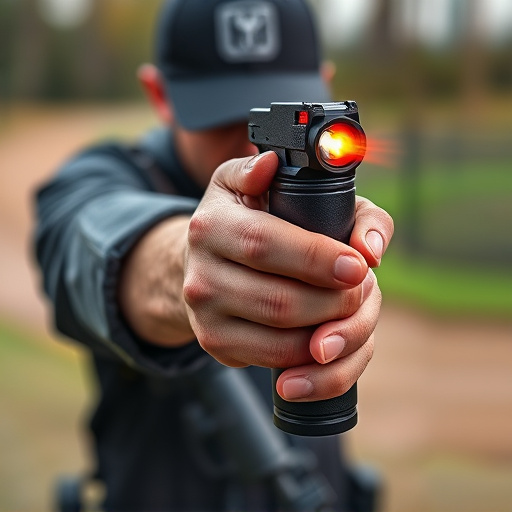
In low light or dark conditions, traditional self-defense methods may fail, but Low Light Pepper Spray Tactics offer a specialized solution. These devices utilize capsaicin to temporarily disable attackers, providing users with precious time to escape or seek help. With advanced features like infrared technology and strategic deployment techniques, they ensure discreet yet potent personal safety measures for urban areas, outdoor activities, and various environments. Understanding legal restrictions and safety protocols is crucial for responsible use.
“In today’s unpredictable world, being prepared for low light conditions during self-defense is paramount. This article explores the transformative power of low light pepper spray tactics in enhancing personal safety. We delve into understanding the challenges of poor visibility and how specialized devices, like low light pepper spray, can mitigate risks effectively.
From comprehending the impact of such conditions to learning tactical applications and legal considerations, this guide equips individuals with valuable insights for empowering self-defense strategies.”
- Understanding Low Light Conditions and Their Impact on Self-Defense
- The Role of Pepper Spray in Self-Protection: A Comprehensive Overview
- Features and Benefits of Low Light Pepper Spray Devices
- Tactical Application: Effective Use Strategies in Different Scenarios
- Legal Considerations and Safety Precautions for Self-Defense Sprays
Understanding Low Light Conditions and Their Impact on Self-Defense
In low light conditions, visibility is significantly reduced, making self-defense more challenging. This is where low light pepper spray tactics prove invaluable. Unlike regular pepper spray that relies on good lighting to be effective, low light variants are designed to create a disorienting effect even in dark or dimly lit areas. The active ingredients in these devices can temporarily blind and disable an attacker, providing the user with crucial seconds to escape or call for help.
Understanding how low light conditions impact self-defense is essential. In many scenarios, such as during night-time assaults or indoor encounters where lighting is poor, traditional self-defense methods may not be as effective. Low light pepper spray offers a discrete and powerful solution, allowing individuals to defend themselves in situations that would otherwise be difficult to manage. These tactics are particularly useful for personal safety, ensuring that people feel empowered to protect themselves regardless of environmental factors.
The Role of Pepper Spray in Self-Protection: A Comprehensive Overview
Pepper spray, a powerful self-defense tool, has become an essential addition to personal safety arsenal, especially in low light or dark scenarios. Its primary role is to incapacitate and deter potential attackers, providing individuals with crucial time to escape or seek help. The active ingredient, capsaicin, causes intense irritation to the eyes, nose, and respiratory system, temporarily disorienting the aggressor. This temporary blindness and breathing difficulty can be a game-changer in dangerous situations, giving users an advantage when other self-defense methods might not be effective.
Low light pepper spray tactics involve discreetly deploying the spray at close range to maximize its effectiveness. It’s a non-lethal force option that allows users to defend themselves against physical assaults without causing permanent harm. The ease of use and rapid deployment make it an appealing choice for personal protection, particularly in urban areas with high crime rates or during outdoor activities where encounters with unpredictable individuals are possible. With proper training, individuals can learn various techniques to ensure they use this tool effectively and responsibly while prioritizing safety as the top priority.
Features and Benefits of Low Light Pepper Spray Devices
Low light pepper spray devices offer a unique and effective solution for self-defense in dark or low visibility conditions, where traditional pepper spray might be less useful. These specialized tools are designed to provide maximum impact in minimal light, making them invaluable for personal safety. The key feature is their ability to emit a powerful stream of pepper spray that can temporarily incapacitate an assailant, giving the user precious time to escape or summon help.
The benefits extend beyond just the spray itself. Many low light pepper spray devices incorporate advanced features like infrared technology, allowing users to target attackers even in complete darkness. Additionally, they often have a longer range than standard pepper spray, ensuring a safe distance from potential danger. These tactical tools are lightweight and easy to carry, making them a discreet yet powerful addition to any personal safety arsenal.
Tactical Application: Effective Use Strategies in Different Scenarios
In low-light scenarios, such as indoor environments with dim lighting or during night operations, tactical application of self-defense inflammatory spray devices becomes even more critical. Pepper spray, due to its high visibility and quick incapacitation effects, can be a game-changer in these situations. Operators should focus on aiming for the face and eyes, where pepper spray has the greatest chance of neutralizing an aggressor without causing permanent damage. In confined spaces or tight corners, spraying towards the ground and allowing the mist to rise can help maximize coverage while minimizing the risk of cross-contamination.
For outdoor use, understanding wind patterns and terrain is key to effective deployment. High winds can dissipate pepper spray quickly, rendering it less effective. Conversely, in open areas without significant breeze, spray can remain concentrated, providing a longer lasting defense. In urban settings, targeting moving vehicles or hiding spots along common escape routes can serve as a strategic deterrent, while in rural environments, a well-placed shot at an attacker’s legs can disable their mobility, giving you precious time to escape.
Legal Considerations and Safety Precautions for Self-Defense Sprays
When considering self-defense inflammatory spray devices, such as low light pepper spray, it’s crucial to be aware of legal considerations and safety precautions. Laws regarding the use and possession of such devices vary widely between jurisdictions, with some regions permitting their use only for law enforcement or personal protection under specific conditions. It’s essential to research and understand local regulations to ensure compliance and avoid potential legal repercussions.
Safety precautions are paramount when handling any self-defense spray. Users should receive adequate training on proper application techniques, as misting the wrong target or in an inappropriate manner could result in injury or unintended consequences. Additionally, regular maintenance and storage of the device in a secure location are vital to ensure its reliability when needed. Understanding Low Light Pepper Spray Tactics can also enhance safety, enabling users to deploy the spray effectively in challenging lighting conditions.
In conclusion, low light pepper spray devices prove to be valuable tools for personal safety, especially in challenging lighting conditions. By understanding the impact of low light on self-defense and leveraging the features of these innovative devices, individuals can effectively protect themselves in various scenarios. When used strategically, in conjunction with proper training and legal awareness, low light pepper spray tactics offer a powerful means to deter threats and ensure personal safety.