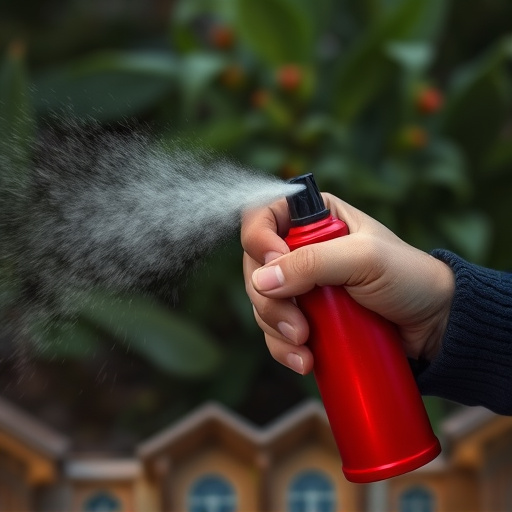
Capsicum-based personal protection sprays, or pepper spray, are non-lethal self-defense tools that utilize capsaicin to cause severe eye and respiratory irritation. In low light conditions, these become powerful tools due to reduced visibility for attackers. Effective tactics involve targeting the face and eyes with a fine mist at close range. Safety considerations include understanding local laws, proper training, regular maintenance, and awareness of spray range and duration. Responsible use dictates adhering to regulations, storing safely, and deploying only as a last resort against imminent threats.
Discover the power of capsicum-based personal protection spray, a revolutionary non-lethal self-defense tool. This article explores its unique properties, effectiveness in low light conditions, and tactical applications. Learn how this spray disrupts an attacker’s vision and mobility, providing crucial time for escape. We’ll also delve into safety considerations and legal implications, emphasizing responsible use in various situations, including Low Light Pepper Spray Tactics.
- Understanding Capsicum-Based Personal Protection Spray
- Low Light Conditions: The Ideal Environment for Pepper Spray Effectiveness
- Tactical Application and Safety Considerations
- Legal Implications and Responsible Use of Pepper Spray
Understanding Capsicum-Based Personal Protection Spray
Capsicum-based personal protection sprays, often referred to as pepper spray, are non-lethal self-defence tools designed to incapacitate an attacker temporarily. These sprays contain capsaicin, the chemical compound responsible for the heat sensation in chilli peppers. When deployed, capsicum spray creates a low light tactical advantage by causing severe irritation to the eyes and respiratory system of the target, allowing users to escape or defuse potentially dangerous situations.
Understanding how these sprays work is crucial for effective self-defence. The active ingredient, capsaicin, disrupts normal cellular functions in the body’s sensory organs, leading to pain and temporary blindness. This provides users with a valuable window of opportunity to retreat or call for help. Moreover, knowing low light pepper spray tactics, such as aiming for the face and eyes, ensuring proper activation technique, and understanding the spray’s range and duration, can significantly enhance personal safety in various environments, from crowded streets to remote areas.
Low Light Conditions: The Ideal Environment for Pepper Spray Effectiveness
In low light conditions, such as during night-time encounters or in dimly lit areas, pepper spray becomes an even more effective personal protection tool. This is because visibility is reduced, making it harder for attackers to identify and target their victim, thus increasing the element of surprise for those carrying the spray. The capsaicin in pepper spray irritates the eyes and respiratory system, and in low light, this effect can be magnified as the attacker’s ability to see clearly is compromised.
Low light pepper spray tactics involve aiming for the face and eyes, which are more vulnerable in reduced lighting. Since visibility is limited, a finer spray mist can be used to ensure maximum coverage without wasting any of the potent solution. This strategic approach to personal protection leverages the environment to enhance the effectiveness of capsicum-based sprays, providing users with an additional layer of safety in challenging conditions.
Tactical Application and Safety Considerations
In low light or night-time scenarios, a capsicum-based personal protection spray can be an effective tactical tool for self-defence. Its active ingredient, capsaicin, is potent even in dimly lit environments, allowing users to disable attackers with a non-lethal force. The spray creates a burning sensation and temporary blindness, providing valuable time for escape or calling for help. Tactics include targeting the face and eyes, which are highly sensitive areas, ensuring the user can maintain mobility and safety until assistance arrives.
Safety considerations are paramount when deploying any pepper spray. Users must be trained in its correct application to prevent potential harm to themselves or bystanders. In low light conditions, ensuring proper visibility and aiming at close range increases accuracy and effectiveness. Regular maintenance and understanding of local laws regarding self-defence sprays are essential, as different regions have varying regulations. Understanding the range and duration of the spray’s effects is also crucial for safe deployment in tactical situations.
Legal Implications and Responsible Use of Pepper Spray
When considering the legal implications and responsible use of pepper spray, it’s crucial to understand that regulations vary widely depending on your location. Many countries and states have strict rules governing the possession, carrying, and application of this self-defense tool, especially in public spaces. Low light pepper spray tactics, due to their discreet nature, may face additional restrictions aimed at preventing misuse or accidental deployment in sensitive areas.
Responsible use involves adhering strictly to local laws and guidelines, ensuring proper training in its application, and storing it safely to prevent unauthorized access. Pepper spray should only be used as a last resort when facing an imminent threat, and users must be aware of the spray’s range, effectiveness, and downtime. It’s also essential to consider potential cross-contamination, especially in close quarters, and implement safety measures to protect bystanders and yourself from unintended exposure.
Capsicum-based personal protection sprays, especially effective in low light conditions, offer a powerful tool for self-defence. Understanding their unique properties and tactical applications is key to responsible use. By knowing how to deploy these sprays effectively and being aware of legal implications, individuals can empower themselves with a reliable means of protection in various situations. Incorporating low light pepper spray tactics into personal safety strategies ensures preparedness when it matters most.