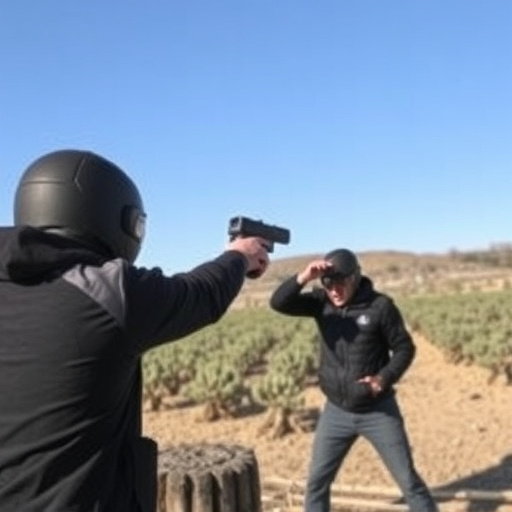
Capsaicin-based low light pepper spray tactics offer a strategic self-defense solution in limited visibility. This natural compound induces temporary blindness and pain, providing users with escape time in dark or poorly lit scenarios. Proper training, storage, and awareness are crucial for safe use, while legal regulations vary globally. These tactics aim to empower individuals with accessible personal safety tools.
In today’s world, personal safety is paramount. Capsaicin-based low light pepper spray devices offer a powerful self-defense solution for individuals seeking protection in dark or chaotic situations. This article delves into the science behind capsaicin as an active ingredient, explores the design and functionality of these devices, examines their effectiveness in real-world scenarios, and discusses safety measures and legal considerations surrounding their use. Discover the tactical advantages of low light pepper spray tactics and stay prepared for unexpected threats.
- Understanding Capsaicin: The Active Ingredient
- Design and Functionality of Low Light Spray Devices
- Effectiveness in Self-Defense Scenarios
- Safety Measures and Responsible Use
- Legal Considerations and Accessibility
Understanding Capsaicin: The Active Ingredient
Capsaicin, the active ingredient in chili peppers, serves as a powerful defense mechanism in low light pepper spray tactics. This natural compound is responsible for the burning sensation associated with spicy foods and plays a pivotal role in personal protection devices. When incorporated into spray formulations, capsaicin creates an effective deterrent by exploiting our body’s sensitivity to its heat and irritation properties.
In low-light conditions, where visibility is limited, pepper spray becomes a strategic tool. Capsaicin’s ability to induce pain and disorientation when inhaled or made contact with the eyes makes it an ideal ingredient for self-defense products designed for close-quarters combat or situations requiring swift, temporary incapacitation. Its non-lethal nature ensures users can defend themselves without causing permanent harm.
Design and Functionality of Low Light Spray Devices
The design and functionality of low light spray devices, often employing capsaicin-based formulations, revolve around discreet yet potent personal protection. These innovative tools are meticulously crafted to be easily concealable, fitting comfortably in pockets or purses, and activated through simple, intuitive mechanisms. They offer a non-lethal but effective deterrent against potential threats, especially in low light conditions where traditional self-defense options may be limited.
Functionally, these devices leverage the power of capsaicin, the active ingredient found in chili peppers, to induce a burning sensation and temporary blindness in aggressors. The low light spray tactics involve careful formulation to ensure precise targeting without causing widespread harm or accidental discharge. This balance allows users to gain crucial seconds for escape or deter an attacker, making them valuable tools for personal safety, especially for individuals navigating dark or poorly lit environments.
Effectiveness in Self-Defense Scenarios
In self-defense scenarios, particularly those involving low light or night-time encounters, capsaicin-based personal protection devices offer a strategic advantage. The active ingredient found in pepper spray, capsaicin, is highly effective at neutralizing aggressors by causing temporary but intense discomfort and disorientation. This can be crucial in buying time to escape or call for help, especially in poorly lit or dark environments where traditional self-defense tools might not be as visible or effective.
The precision and range of low light pepper spray tactics make it a versatile option for personal safety. Users can strategically deploy the spray at close to intermediate distances, ensuring its effectiveness without needing to get into close combat. This non-lethal force option is particularly appealing for individuals who prefer a more subtle approach to self-defense, aiming to deter threats while minimizing injury to themselves or others.
Safety Measures and Responsible Use
When using a capsaicin-based personal protection device, especially in low light pepper spray tactics, safety measures must be paramount. Always ensure that you and those around you are well-trained in its application to avoid accidental exposure or misuse. Keep the device in an easily accessible yet secure location, out of reach of children and unauthorized individuals. Regularly inspect the unit for any signs of damage or degradation and replace it according to manufacturer recommendations. In low light conditions, rely on your senses and the spray’s can design – some models have glow-in-the-dark features or distinctive shapes – to accurately deploy the spray without endangering yourself or others.
Responsible use includes understanding the device’s range and effectiveness. Pepper spray is most effective in close-quarters combat, so maintain a safe distance from potential threats. Be mindful of wind direction and weather conditions, as these can affect the spray’s dispersion. Additionally, familiarize yourself with local laws and regulations regarding pepper spray possession and usage to avoid legal repercussions. Always store and dispose of your capsaicin-based personal protection device responsibly, contributing to a safer environment for everyone.
Legal Considerations and Accessibility
In terms of legal considerations, capsaicin-based personal protection devices, often referred to as low light pepper spray tactics, operate under a different set of regulations compared to traditional pepper sprays. While the primary focus is on ensuring public safety and individual rights to self-defense, regulatory bodies worldwide have specific guidelines for their production, sale, and use. These laws vary significantly from country to country, with some regions permitting capsaicin spray as an approved defense mechanism while others restrict its use due to concerns over potential abuse or misapplication.
Accessibility plays a crucial role in the effectiveness of these personal protection devices. In today’s digital era, consumers are increasingly demanding innovative solutions for their safety, and low light pepper spray tactics meet this demand by offering a discreet yet powerful option. However, ensuring that these products are readily available to those who need them most requires addressing accessibility challenges. This includes considerations such as affordable pricing, widespread distribution channels, and clear instructions on proper use, thereby fostering a culture of self-defense and empowerment among diverse segments of society.
Capsaicin-based personal protection devices, or low light pepper spray tactics, offer a powerful yet non-lethal self-defense option. With their unique design and functionality, these devices have proven effective in deterring attackers in various scenarios. However, it’s crucial to use them responsibly, adhering to safety measures and legal considerations. As awareness of personal protection grows, understanding the mechanics of capsaicin and its applications can empower individuals to make informed decisions about their security.